
12 Questions to Ask Before Buying a Used Boat
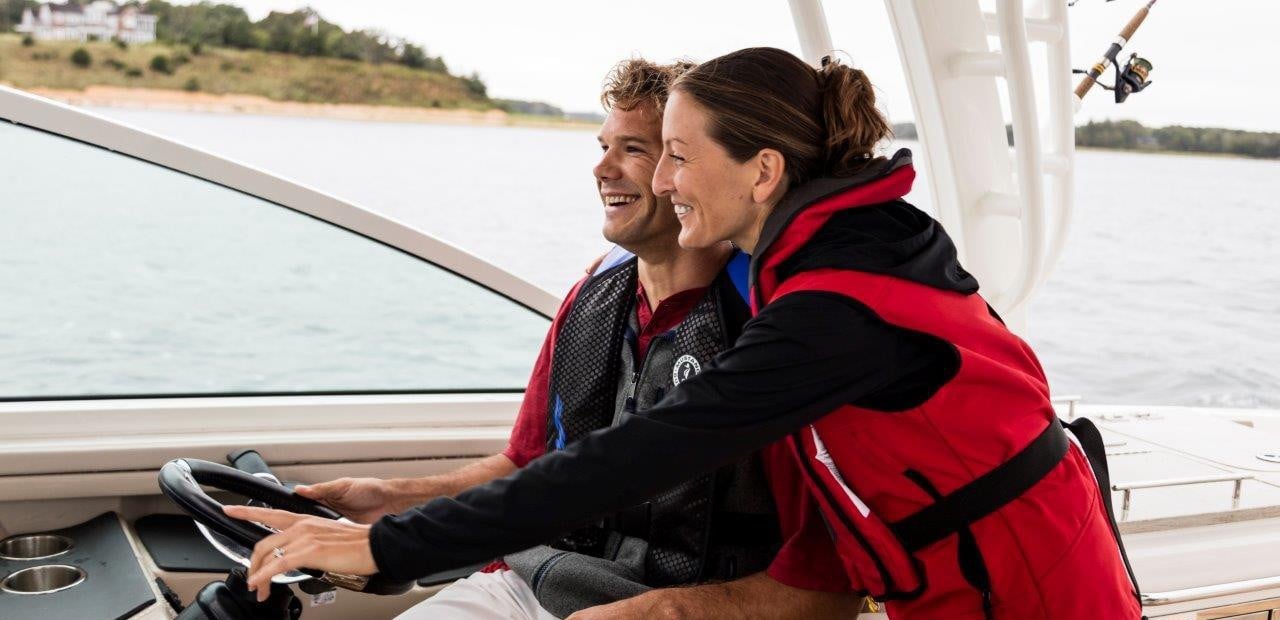
There's something exciting about buying a boat. You start picturing weekends on the water, sunset cruises, fishing trips, or spending time with family and friends. And when you buy used, you can often get more boat for your money than buying new.
But purchasing a pre-owned boat also comes with a little more homework.
Unlike buying a new boat, every used boat has its own story. Some have been meticulously cared for and maintained. Others may have hidden issues that aren't obvious during a quick walk-around. The good news? Asking the right questions can tell you a lot about the boat—and whether it's the right fit for you.
Before you make an offer, here are 12 questions worth asking.
1. Why is the owner selling the boat?
This might seem like a simple question, but it often opens the door to an honest conversation.
Many owners are simply ready for something different. Maybe they're moving to a larger boat, downsizing, or just aren't using it enough anymore. Those are all perfectly normal reasons to sell.
Pay attention if the answer feels vague or doesn't match the condition of the boat. It's not necessarily a dealbreaker, but it's worth asking a few follow-up questions.
2. Has it been maintained regularly?
A boat that's been cared for is usually easy to spot.
Ask how often the engine has been serviced, whether routine maintenance has been completed, and if the owner has kept records. Regular oil changes, annual service, battery replacements, and winterization all show that someone invested time in taking care of the boat.
Even an older boat can be an excellent purchase if it's been properly maintained.
3. Can I see the maintenance records?
Anyone can say they've taken good care of a boat, but paperwork helps back it up.
Maintenance records provide a timeline of repairs, services, and upgrades. They can also help you understand whether major work has already been completed or if it's something you'll likely need to budget for in the near future.
If records aren't available, ask where the boat was serviced. A reputable marina or service center may have documentation on file.
4. Has the boat ever been damaged?
Boats spend their lives in the elements, so minor cosmetic repairs aren't uncommon.
What you really want to know is whether the boat has experienced significant damage from a collision, grounding, severe storm, or flooding. If repairs were made professionally, ask for documentation.
A repaired boat isn't automatically a bad purchase, but you should understand exactly what happened before moving forward.
5. How many hours are on the engine?
Engine hours are often compared to mileage on a car, but they don't tell the whole story.
A boat with higher hours that has been serviced consistently may actually be a safer investment than one that has spent years sitting unused. Boats are designed to be used, and regular operation is often healthier than long periods of storage.
The key is understanding how the boat has been used—not just how much.
6. Can we take it out on the water?
If you're serious about buying the boat, don't skip the sea trial.
Driving the boat gives you the opportunity to see how it starts, accelerates, handles, and performs under normal conditions. You'll also have a chance to test the electronics, steering, trim, and other systems before making a commitment.
Think of it as the boating equivalent of a test drive.
7. What's included with the sale?
Sometimes the value isn't just in the boat itself.
Many used boats come with trailers, upgraded electronics, safety gear, covers, anchors, or other accessories that would cost thousands of dollars to purchase separately. Other times, those items are sold separately.
Knowing exactly what's included helps you compare listings more accurately.
8. Is the paperwork in order?
Before you fall in love with the boat, make sure the ownership documents are just as clean.
Ask about the title, registration, trailer paperwork (if applicable), and whether there are any outstanding loans or liens on the boat. Resolving paperwork issues after you've agreed to buy can quickly become frustrating.
9. What will it really cost to own?
The purchase price is only one part of the equation.
Insurance, registration, maintenance, fuel, storage, and unexpected repairs all become part of boat ownership. Planning for these expenses upfront helps you enjoy boating without financial surprises later.
10. Will this boat fit my lifestyle?
It's easy to buy a boat because it looks impressive.
Instead, think about how you'll actually use it. Will you spend weekends cruising with family? Fishing offshore? Pulling kids on tubes? Exploring nearby lakes?
The best boat isn't always the biggest or newest—it's the one that fits the way you plan to spend your time on the water.
11. Is financing available?
If you're planning to finance your purchase, ask about your options before you start negotiating.
Understanding your monthly payment, loan terms, and interest rate ahead of time makes it much easier to shop within your budget and avoid surprises during the buying process.
12. Should I get a marine survey?
For many buyers, especially when purchasing a larger or more expensive boat, the answer is yes.
A marine survey is similar to a home inspection. An experienced surveyor can identify structural, mechanical, or safety issues that may not be visible during a casual inspection. While it adds a little to the upfront cost, it can provide valuable peace of mind before closing the deal.
Buy with Confidence
Buying a used boat doesn't have to feel overwhelming. A little research, a careful inspection, and a willingness to ask the right questions can make all the difference between finding a boat you'll love and one that brings unexpected headaches.
At Boateka, we're committed to making the boat-buying process as simple and transparent as possible. Whether you're searching for your very first boat or looking to upgrade, you'll find quality pre-owned boats from trusted dealers, competitive financing options, and helpful resources to guide you every step of the way.
When you're ready to find the right boat, visit Boateka.com to browse available inventory, compare models, estimate monthly payments, and start your next adventure on the water with confidence.
The identified retail price excludes tax, title, registration, dealer fees and optional equipment. Dealer sets final price.



Copyright 2026 Boateka. All Rights Reserved. Certified & Refurbished High Quality Used Boats for Sale Nearby.