
Boat Winterization 101
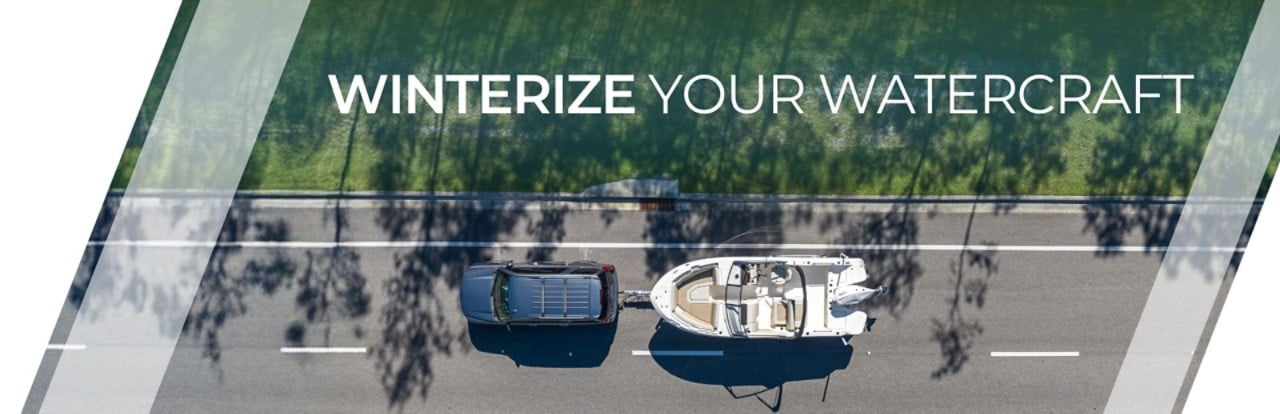
Boat Winterization 101: Why It’s Essential and What You Should Know
As boating season ends, it’s time to start prepping your boat for the off season by winterizing. Winterizing your boat isn’t just another item on your maintenance checklist—it’s a crucial step to protect your investment during colder months to ensure a smooth return to the water next year.
What Happens if You Skip Winterization?
While skipping the entire process might seem like a time-saver, it can result in serious damage.
Here’s what’s at stake:
- Serious Engine Damage: Water left in the engine can freeze and expand, causing cracks in the block and hoses. Repairs can be expensive, and left untreated, may shorten your boat’s lifespan.
- Fuel System Problems: Fuel breaks down over time and leaves behind deposits that can clog your boat’s engine. Moisture buildup and ethanol in fuel can attract water, leading to cracked lines and inadequate fuel quality.
- Battery Drainage and Corrosion: Cold weather drains batteries and can cause corrosion. Disconnecting or removing the battery helps preserve its life and ensures it’s ready for spring
- Interior and Hull Damage: Trapped moisture can lead to mold, mildew, and unpleasant odors. In severe cases, freezing water can damage hull fittings, compromising the boat’s structural integrity.
When’s the Right Time to Winterize?
You should winterize your boat before the season’s first frost. For most regions, this is sometimes mid-to-late fall—typically October or November. Keep an eye on the forecast and be ready to act early if a cold snap is on the horizon. Early winterization gives you peace of mind knowing your boat is protected, no matter when winter hits.
Winterization Myths vs. Facts
Let’s dispel some common myths about winterization:
- Myth: Mild Climates Don’t Require Winterization
Fact: Even in warm areas, temperatures can dip low enough to cause frost damage. Internal systems still need protection regardless of storage location.
- Myth: You Don’t Need a Full Fuel Tank in Winter
- Fact: Keeping your fuel full and adding a stabilizer are key to preventing condensation and water contamination. Ethanol-blended fuels aren’t an ideal choice, as they attract moisture."
- Myth: Only Boats on the Water Need Winterizing
- Fact: Boats stored indoors or on land can become damaged, too. Water remaining inside systems can cause issues, if not properly drained.
- Myth: Winterizing Is Just About Antifreeze
- Fact: Antifreeze is important, but there’s more involved. Winterization means draining systems, changing oil, removing the battery, and cleaning the boat thoroughly.
- Myth: New Boats Don’t Need It
- Fact: All boats, regardless of age, need winterization. Newer models may have better seals, but they’re still at risk for ice and moisture damage
How We’ll Winterize Your Boat
When you winterize your boat at our marina, we’ll do the following for you:
- Flush the Engine: We’ll remove all water and add marine-grade antifreeze to prevent freezing.
- Stabilize the Fuel: We’ll add a stabilizer and run the engine briefly to circulate it through the system.
- Clean and Drain All System: We’ll clean and drain bilge systems, water tanks, and other systems to avoid moisture-related cracks and damage.
- Battery Removal or Disconnection: We’ll help you prevent drainage and corrosion by educating you on proper storage. This includes finding a cool, dry place to store it all season long.
Final Thoughts
Winterizing your boat is a vital part of seasonal maintenance. From engine care to fuel protection, each step helps prevent costly damage and ensures your boat is ready to hit the water when spring arrives. Schedule your maintenance appointment with us today!
The identified retail price excludes tax, title, registration, dealer fees and optional equipment. Dealer sets final price.



Copyright 2026 Boateka. All Rights Reserved. Certified & Refurbished High Quality Used Boats for Sale Nearby.