
Complete Used Boat Buyer’s Guide for 2026
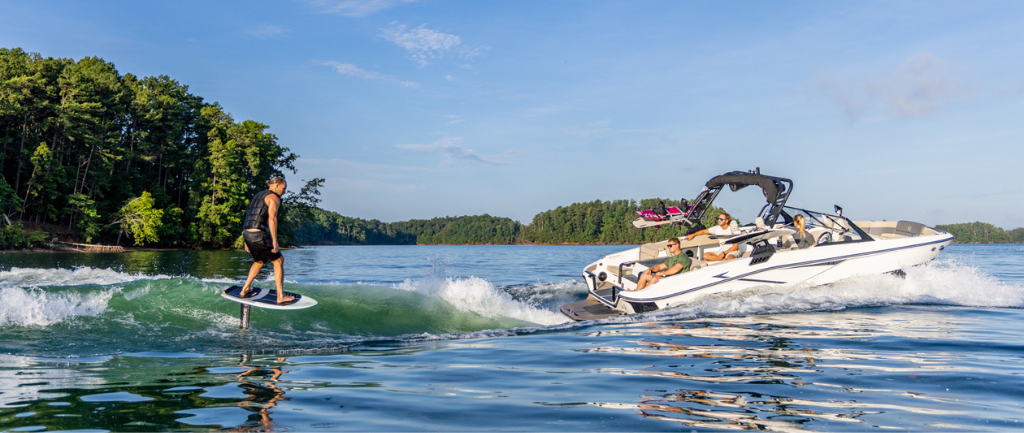
There’s something exciting about shopping for a boat. You start imagining weekends on the water, early morning fishing trips, sunset cruises, or spending quality time with family and friends. But before you hand over your hard-earned money, it’s important to know exactly what you’re buying.
A used boat can be an incredible value, often giving you more boat for your budget than buying new. But like buying a used car, not every deal is as good as it looks. Knowing what to look for—and what to avoid—can save you from expensive repairs and plenty of headaches down the road.
If you’re wondering how to buy a used boat, this guide will walk you through the process and help you shop with confidence.
Why Buying Used Makes Sense
For many boaters, buying used is simply the smarter financial decision.
New boats lose value quickly during their first few years, which means you can often find a well-maintained boat with premium features for significantly less than the original purchase price. You may even find one that’s already equipped with electronics, upgraded seating, a trailer, or fishing accessories that would cost thousands to add yourself.
The key is finding a boat that has been cared for.
A clean, well-maintained five-year-old boat is often a much better investment than a newer boat that hasn’t received regular maintenance.
Think About How You’ll Actually Use Your Boat
It’s easy to fall in love with a boat because it looks great, but looks aren’t everything.
Before you start browsing listings, spend a few minutes thinking about how you’ll actually use it. Are you planning to fish every weekend? Pull kids on tubes? Cruise around the lake with friends? Spend weekends exploring the coast?
The answers to those questions will help narrow your search. A center console is built for a different purpose than a pontoon, bowrider, or bass boat, so choosing the right style from the start makes the rest of the buying process much easier.
Set a Budget—and Remember the Extras
The purchase price is only part of the cost of boat ownership.
Fuel, insurance, registration, storage, maintenance, and seasonal servicing all add up over time. If the boat comes with a trailer, you’ll also want to factor in tires, bearings, brakes, and occasional repairs.
None of these costs should discourage you from buying a boat—they’re simply part of planning ahead. A realistic budget makes ownership much more enjoyable.
Do Your Homework Before You Buy
One of the best parts of today’s boat market is how much information is available online.
Spend some time researching the make and model you’re considering. Read owner reviews, browse boating forums, and compare similar listings to get a feel for pricing. You’ll quickly learn which brands have built strong reputations and which models may have recurring issues.
The more you know before meeting the seller, the more confident you’ll feel when it’s time to negotiate.
Take Your Time During the Inspection
When you finally find a boat you like, resist the urge to rush.
Walk around the boat slowly and look closely at the hull for cracks, repairs, or signs of impact damage. Step across the deck to make sure everything feels solid under your feet. Open storage compartments, inspect the upholstery, and look for mold, mildew, or signs that water has been getting where it shouldn’t.
A boat that’s been cared for usually shows it.
You’ll often notice clean compartments, organized wiring, and maintenance records that tell the story of a responsible owner.
The Engine Deserves Extra Attention
If there’s one area you don’t want to overlook, it’s the engine.
Ask how many hours are on it and request any maintenance records the seller has. Regular oil changes, scheduled service, and winterization records are all signs the boat has been properly cared for.
Even if everything looks good, it’s never a bad idea to have a marine mechanic inspect the engine before you buy. Spending a little money now could save you thousands later.
Never Skip the Sea Trial
Photos and dockside inspections only tell part of the story.
A sea trial lets you see how the boat performs where it matters most—on the water.
Pay attention to how easily the engine starts, how smoothly it accelerates, whether the steering feels responsive, and if all the electronics work properly. Listen for unusual noises and watch the gauges throughout the ride.
If a seller refuses to let you take the boat out, consider it a red flag.
Ask Questions
Most sellers expect buyers to ask questions, so don’t be shy.
Find out why they’re selling, where the boat has been stored, whether it’s been used in freshwater or saltwater, and if there have been any major repairs.
A seller who’s taken pride in maintaining their boat will usually be happy to share its history.
Know When to Walk Away
Sometimes the best buying decision is deciding not to buy.
Missing paperwork, obvious neglect, soft spots in the deck, significant corrosion, or a seller who avoids your questions should all make you think twice.
There are plenty of used boats on the market, so don’t feel pressured into buying one that doesn’t feel right.
Final Thoughts
Buying a used boat is about more than finding the lowest price—it’s about finding the right boat for your lifestyle and making sure it’s been well cared for.
Take your time, ask plenty of questions, and don’t skip important steps like inspections or a sea trial. The extra effort will pay off every time you head out on the water.
We hope this used boat buying guide gives you the confidence to start your search. Whether it’s your first boat or your fifth, knowing how to buy a used boat will help you make a smarter purchase and enjoy many seasons of boating ahead.
Happy boating!
The identified retail price excludes tax, title, registration, dealer fees and optional equipment. Dealer sets final price.



Copyright 2026 Boateka. All Rights Reserved. Certified & Refurbished High Quality Used Boats for Sale Nearby.