
How to Inspect a Used Boat Before You Buy
Buying a used boat can be a great way to get on the water without the price tag of a new boat. But before you make an offer, take some time to look beyond the photos and give the boat a thorough inspection.
A few extra minutes upfront can help you avoid expensive surprises later.
Start With the Hull and Deck
Walk around the entire boat and look for cracks, dents, deep scratches, corrosion, or signs of previous repairs. On fiberglass boats, pay attention to cracks or areas that look different from the surrounding surface. On aluminum boats, look closely at the hull for corrosion, damage, or questionable welds.
Don't forget to walk around on the deck. It should feel solid under your feet. Soft or spongy areas can be a warning sign of water damage or structural problems.
Check the Engine
The engine is one of the most important parts of any used boat. Ask about the engine hours and maintenance history, and look for obvious signs of corrosion, leaks, or damage.
If it's an outboard, inspect the propeller and lower unit for damage. Whenever possible, start the engine and take the boat for a test drive. Listen for unusual noises and pay attention to how it starts, idles, accelerates, and performs at different speeds.
For a more expensive boat, consider having a marine mechanic inspect the engine before you buy.
Test the Electronics and Interior
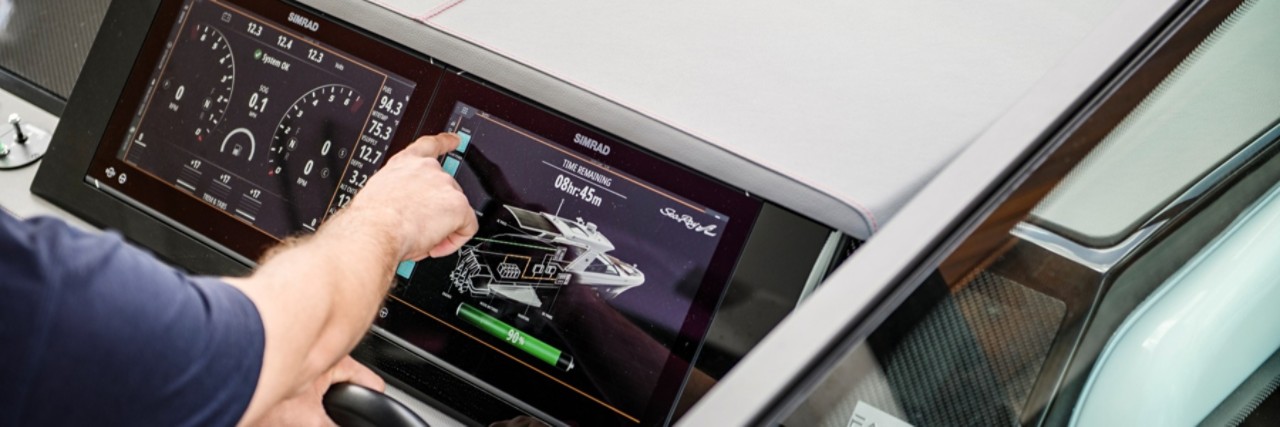
Turn on the lights, bilge pump, horn, gauges, stereo, GPS, fish finder, and other equipment included with the boat. Look for corroded connections or wiring that appears damaged or poorly maintained.
Inside the boat, inspect the seats, flooring, storage compartments, and upholstery. Look for mildew, water damage, cracking, or anything that suggests the boat hasn't been properly cared for.
Don't Forget the Trailer
If the boat comes with a trailer, inspect the tires, wheels, lights, winch, bunks, safety chains, and frame. Excessive rust or corrosion could mean you'll need to spend money on repairs after the purchase.
Take It on the Water
A sea trial is one of the best ways to evaluate a used boat. You'll get a much better sense of the engine, steering, handling, gauges, and overall performance than you will sitting at the dock.
If possible, take the boat out before you make your final decision.
Do Your Homework Before You Buy
Finally, ask the seller about the boat's history, maintenance, storage, and any previous damage. Review available service records and make sure the title and registration information match.
A used boat doesn't have to be perfect to be a great purchase. The goal is to understand its condition, know what repairs may be needed, and make sure the price reflects what you're getting.
Ready to start shopping? Browse used boats on Boateka and find the right boat for your next adventure on the water.
The identified retail price excludes tax, title, registration, dealer fees and optional equipment. Dealer sets final price.



Copyright 2026 Boateka. All Rights Reserved. Certified & Refurbished High Quality Used Boats for Sale Nearby.